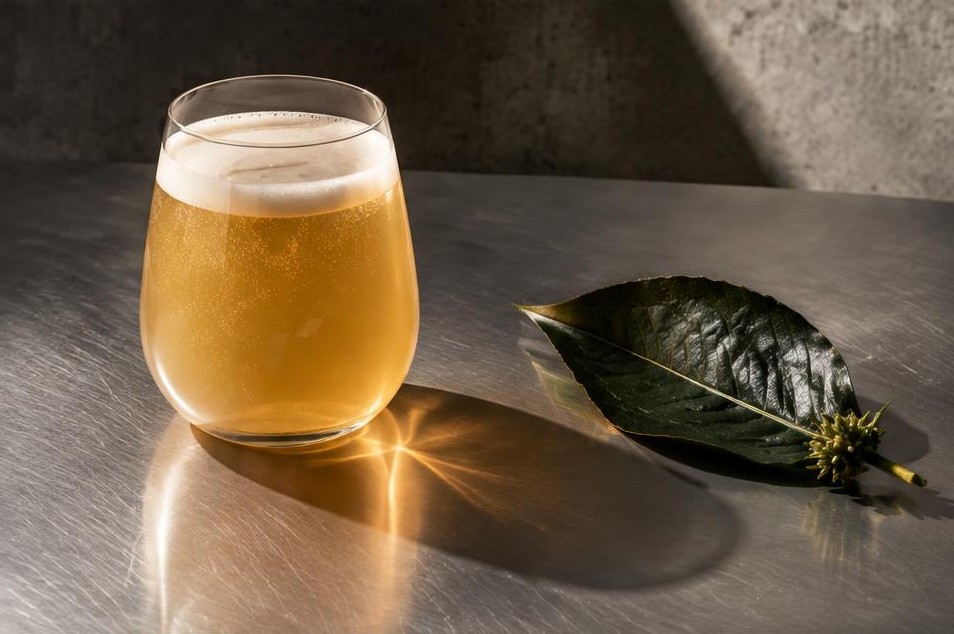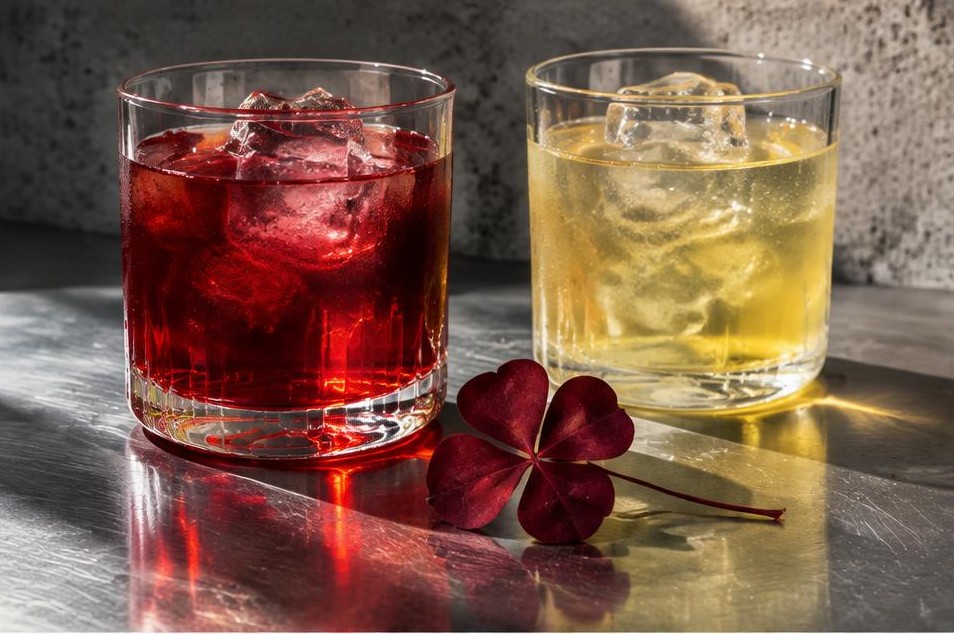
At Bar Sathorn in Bangkok, two drinks on the same page cost 450 baht each. Both contain cucumber and kombu, a seaweed. Both have bubbles. In one, called CBD Kombu, the menu lists vodka and umeshu. The other, 00 Kombu, is listed as nonalcoholic. A table could order one of each and spend the next few minutes arguing about whether seaweed belongs in a drink. Nobody has to explain why they chose theirs. 1
That shared conversation is a pleasure a bar can easily overlook. A guest who orders no alcohol might want something dry to go with dinner, something rich enough to take the place of dessert, or a cold glass to hold while listening to the band. A bartender who knows that one ingredient preference still has a whole evening to ask about.
Two ways to write the list
At CoCoRum on Koh Samui, the mocktails get a section of their own. Compare the ends of it. Morning Compass brings rockmelon together with milk, coconut, Thai black tea and the bar’s own spice mix. Garden Whispers puts peppermint and cucumber in soda with lime. One ingredient list reads like the beginning of an ice cream flavour. You could plausibly order the other because you wanted something brisk before lunch. 2
There is room between the two. CoCoRum puts avocado and pink tomato grenadine in its Coral Reef Colada. It also publishes a supplement for adding rum or agave spirits to the drinks in this section. It is a small reversal of the usual order of business. The guest can point to a finished recipe. Adding a spirit becomes a separate decision. The section gives four ideas space to breathe, and someone scanning a menu on a phone can find all four at once. 2
Bar Sathorn places its alternatives among the signatures in several chapters of its menu. Read the Embassy Row section and you encounter both The Pina, with cognac and pickled pineapple, and the 00 Pickled Colada, which keeps the pickled pineapple and adds coconut soda. A person leafing through the menu for the history or the pineapple gets to keep following that thread. The choice depends on being able to spot the alcohol information as you read. Here the bar prints it next to the drink name. 1
Give the bartender something to talk about
There is a telling detail at Bar Us, also in Bangkok. Thai Tea Punch appears twice. The version in the after dinner section includes rum. The mocktail listing keeps the Thai tea, lime, coconut nectar and two kinds of milk, and specifies carbonation. It gives the guest ordering the mocktail something quite particular to anticipate. How will lime and milk taste together? What will bubbles do to a tea punch? Those are better grounds for a recommendation than the colour of the glass. 3
A server can make real use of these differences. Offer the tea to the guest who was eyeing dessert. Point out the cucumber to someone who likes a long drink with dinner. For a person torn between the two, ask whether they want something creamy or something sparkling. That question gets the order moving and leaves the guest’s reasons for avoiding alcohol entirely their own.
A clear description also helps with the less glamorous part of service. The milk in the punch matters to someone with a dairy allergy, however clear the liquid looks. At a table that orders both versions, their similar names make a quiet handover worth planning. Repeat the full drink name to the person who ordered it. If two glasses could be mistaken for each other, agree on a visible difference when the order goes in. A guest should be able to set a glass down and recognise it again.
Tell the truth about the last dash
Some guests need to know whether even a small amount of alcohol went into a drink. A menu heading alone cannot settle that. Take aromatic bitters. The Virginia Alcoholic Beverage Control Authority lists the familiar Angostura bottle at 44.7% alcohol by volume. A dash is small, and the percentage in the bottle is quite different from the percentage in a finished glass. The dash still introduces alcohol. This is an example from the back bar, separate from the recipes above. 4
When someone asks for 0.0%, check the ingredients and the actual preparation. If the bar cannot establish the final alcohol content, tell the guest what it can verify and offer an option that meets their request. Then get back to the interesting question. Would they like cucumber and seaweed, melon and tea, or something with pickled pineapple? A good list has already done the work of making that a difficult choice.