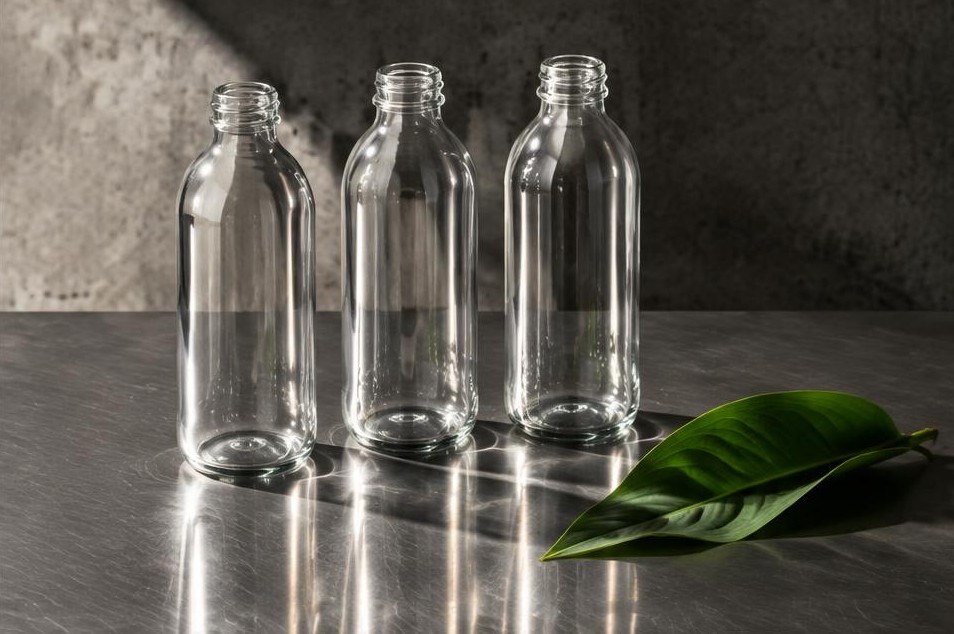
If you are buying drinks for a hotel, ask a supplier to describe the life of an empty bottle. A precise answer might mention the crate the bar needs, the next collection, the washing plant and the person who signs for a missing case. A vague one tends to end with the word recyclable. Both bottles may be made of identical glass. Only one of the answers describes how another drink will get inside it.
There is a Thai example. Sai Yok Springs sells mineral water in refillable glass. The company describes collecting, washing and refilling the bottles. A case study covering its work from 2022 to 2024 describes a deposit and collection system serving restaurants and hotels, with customers in Bangkok, Phuket and Hua Hin. The useful detail for another business is the deposit. It turns the empty into something both parties have a reason to keep track of. [1, 2]
The environmental case depends on the trips. Camilla Tua, Mario Grosso and Lucia Rigamonti studied refillable mineral water bottles using operating data from four Italian bottlers. They compared them with glass used once. In their model, a bottle used for two deliveries already had an advantage over two bottles used once on a route of 200 kilometres. At 400 kilometres the refillable bottle needed at least four uses. Those distances refer to the journey between bottler and distributor in their scenarios. They are instructive figures for Italy. A hotel on Samui would need its own routes, return rates and washing arrangements to make a claim about its bottles. 3
For a week, try counting one bottle size through your property. Start with the empties on hand. Record how many bottles are opened, how many empties the supplier accepts, how many break and what remains at the end. Fifty collected this week might include twenty from last week. Separating the opening and closing stock keeps a busy weekend from looking like a sudden collapse in returns. If the numbers still disagree, inspect the places where a bottle changes hands. A minibar and a breakfast station may send their empties in entirely different directions.
Then ask one very ordinary question. Does the driver delivering the next crate have room to take the empties away? If the answer is yes, the next part of the conversation can be about space behind the bar. If it calls for another journey, that journey belongs in the calculation. By the time the guest chooses still or sparkling, most of the decisions that determine the fate of that bottle have already been made.